Starting a web design project without a product discovery session is like building a house without blueprints. Many businesses rush straight into wireframes and visual design, only to face costly revisions, scope creep, and websites that fail to meet user needs or business objectives. A product discovery session is the strategic foundation that transforms vague ideas into actionable design requirements, ensuring every design decision is intentional, user-focused, and aligned with measurable goals.
The discovery phase happens before any design work begins, and for good reason. This critical step saves time, reduces development costs, and significantly increases the likelihood of launching a website that actually delivers results. Let’s explore why product discovery sessions are non-negotiable for successful web design projects.
What Is a Product Discovery Session?
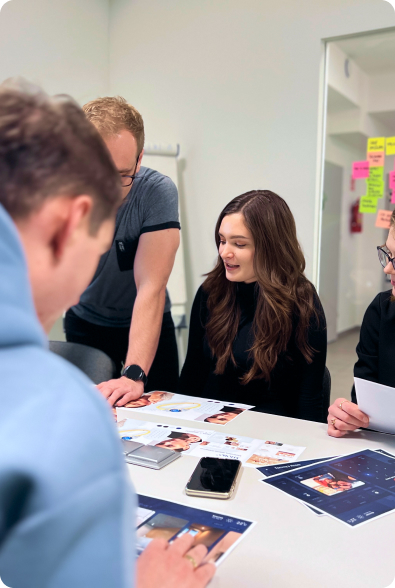
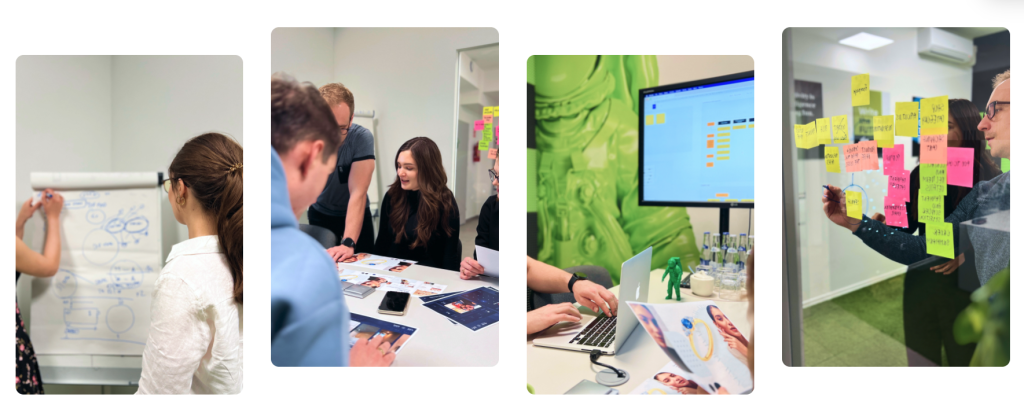
A product discovery session is a structured collaborative workshop where stakeholders, designers, and strategists come together to define the „why” and „what” before tackling the „how.” This session typically includes:
- Stakeholder interviews to understand business objectives and success metrics
- User research and persona development to identify target audience needs
- Competitive analysis to position the product effectively in the market
- Feature prioritization using frameworks like MoSCoW (Must have, Should have, Could have, Won’t have)
- Technical feasibility assessment to identify constraints early
- Content inventory and strategy to understand what information needs to be presented
The output? A clear product definition document, user journey maps, prioritized feature lists, and a shared vision that guides every subsequent design and development decision.
Why Product Discovery Happens Before Design
Designing Without Discovery Is Guesswork
Skipping the discovery phase means designers make assumptions about user needs, business goals, and technical requirements. These assumptions often prove wrong, leading to multiple redesign cycles. According to research from the Nielsen Norman Group, projects without proper discovery experience 40-60% more revision requests during development.
Discovery Prevents Expensive Mid-Project Changes
When fundamental questions about audience, objectives, or functionality surface during design or development, projects stall. Pivoting at later stages is exponentially more expensive than getting alignment upfront. A product discovery session identifies potential roadblocks, technical limitations, and conflicting stakeholder expectations before resources are committed to execution.
It Establishes Measurable Success Criteria
How do you know if your website is successful? Discovery sessions define concrete KPIs—whether that’s lead generation, reduced support tickets, increased conversions, or improved user engagement. Without these benchmarks established beforehand, you’re designing in the dark with no way to measure ROI.
Key Benefits of Product Discovery Sessions
1. Deep Understanding of User Needs
Discovery workshops include user research activities like interviews, surveys, and behavioral analytics review. This reveals:
- Pain points users experience with current solutions
- Jobs to be done that the website must facilitate
- User expectations regarding functionality and experience
- Accessibility requirements for diverse user groups
Understanding users before design ensures every interface decision serves actual human needs rather than aesthetic preferences or assumptions.
2. Clear, Aligned Business Objectives
Different stakeholders often have conflicting priorities. Marketing wants lead capture, sales wants product showcases, support wants self-service resources, and executives want brand prestige. A product discovery session surfaces these conflicts early and facilitates prioritization discussions. Everyone leaves with a unified understanding of primary goals and acceptable trade-offs.
3. Reduced Design Iterations and Faster Time-to-Market
When designers have comprehensive discovery documentation, they create solutions that hit the mark on the first or second iteration instead of the fifth. This dramatically accelerates project timelines. Rather than spending weeks designing features that get rejected because they don’t serve the actual goal, teams build efficiently toward a validated vision.
4. Risk Mitigation and Technical Validation
Discovery sessions identify technical constraints, integration requirements, and potential security concerns before design commitments are made. Questions like „Does this need to integrate with our CRM?” or „What’s our hosting infrastructure?” get answered upfront, preventing situations where beautiful designs prove technically impossible to implement within budget.
5. Stakeholder Buy-In and Shared Ownership
When stakeholders actively participate in discovery, they become invested in the outcomes. They understand why certain design decisions are made because they contributed to the strategic framework. This reduces subjective „I don’t like this color” feedback in favor of objective evaluation against established criteria.
What Actually Happens in a Product Discovery Session
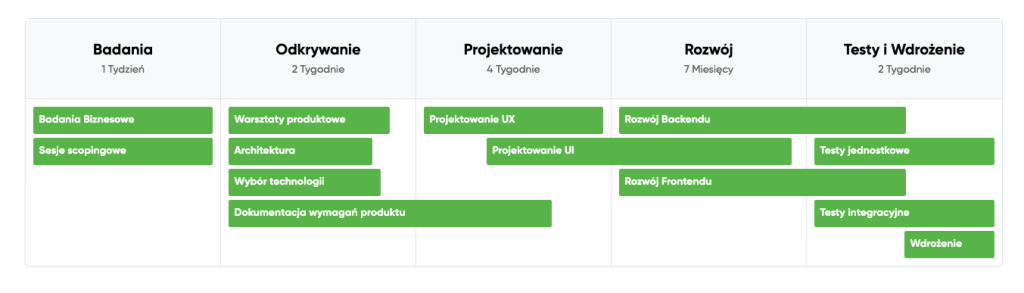
A comprehensive discovery process typically spans 1-3 weeks and includes:
Week 1: Research and Analysis
- Stakeholder interviews (2-4 hours total)
- User research review or new user interviews
- Analytics audit of current website/product
- Competitive landscape analysis
- Technical infrastructure assessment
Week 2: Workshop and Strategy
- Facilitated discovery workshop (4-8 hours)
- User persona development
- User journey mapping
- Feature prioritization exercises
- Content strategy planning
- Information architecture drafting
Week 3: Documentation and Validation
- Product requirements document creation
- Technical specifications outline
- Project scope definition
- Timeline and budget estimation
- Stakeholder review and approval
The deliverables from a product discovery session become the single source of truth that design, development, content, and QA teams reference throughout the project lifecycle.
Real-World Impact: Discovery in Action
Consider an e-commerce company that wanted to redesign their product catalog. Initially, stakeholders requested a „modern, minimalist design with lots of white space.”
During the discovery session, user research revealed that their B2B customers needed to compare technical specifications across 20+ products simultaneously—a task impossible with minimalist single-product views. The discovery process identified that:
- 78% of users arrived with a comparison mindset, not a browsing mindset
- Users needed filterable spec sheets, not lifestyle photography
- The average session involved 15+ page views across product pages
Armed with these insights, designers created a comparison-focused interface with dense information display and advanced filtering—the opposite of the original brief. The result? 34% increase in conversion rate and 52% reduction in support calls about product specifications.
Without the product discovery session, the team would have built a beautiful but ineffective website based on subjective aesthetic preferences rather than user needs.
Common Mistakes When Skipping Product Discovery
Organizations that bypass discovery typically encounter:
- Feature creep – New requirements emerge constantly because scope was never properly defined
- Misaligned expectations – Stakeholders have different visions that surface only after design reviews begin
- Design-by-committee syndrome – Without objective criteria, design becomes subjective opinion battles
- Ignored technical constraints – Designs that can’t be implemented within budget or timeline
- User disconnect – Websites that look professional but fail to serve actual user needs
- Measurement impossibility – No defined success metrics means no way to prove ROI
These problems compound, turning what should be a 3-month project into a 9-month ordeal with budget overruns and compromised outcomes.
Discovery Is an Investment, Not an Expense
Some businesses hesitate to invest in product discovery sessions because they want to „see designs quickly.” This perspective treats discovery as overhead rather than recognizing it as the most valuable phase of the project.
Consider the math: A discovery session might cost $5,000-$15,000 and take 2-3 weeks. Skipping it often results in:
- 2-4 additional major design revision cycles ($10,000-$30,000 in design costs)
- 3-6 weeks of project delays (opportunity cost)
- Potential post-launch redesign within 12 months ($50,000-$100,000)
The discovery phase pays for itself multiple times over by eliminating waste, focusing resources, and ensuring the first build is substantially correct.
Discovery Transforms Web Design From Art to Science
A product discovery session is the difference between designing a website that looks good and building a digital product that achieves measurable business results. By investing time upfront to understand users, align stakeholders, validate technical approaches, and define success metrics, you transform web design from subjective guesswork into strategic problem-solving.
The discovery phase ensures that every design decision—from navigation structure to call-to-action placement—serves a validated purpose. It prevents costly revisions, accelerates timelines, and dramatically increases the likelihood of launching a website that users love and that delivers ROI.
Don’t start designing until you’ve completed discovery. Your project timeline, budget, and business outcomes depend on it.
Ready to Start Your Web Project the Right Way?
Our team specializes in comprehensive product discovery sessions that set web design projects up for success. We facilitate stakeholder workshops, conduct user research, and deliver actionable strategic documentation that guides efficient, effective design and development.
Contact us for a consultation to discuss how a structured discovery process can transform your web project outcomes.